Online Memorial Cards – Free Remembrance eCards
Create thoughtful memorial and funeral cards and share your heartfelt messages.
- 1
- 2
- 3

Create thoughtful memorial and funeral cards and share your heartfelt messages.
Some lives touch a whole community — old friends, distant relatives, colleagues, neighbors. A group memorial card brings all of those voices into one place. Instead of scattered texts and separate condolence notes, the family receives a single remembrance ecard filled with stories, photos, and love from everyone who knew them. Create it free, share the link, and let each person add their memory in their own time.
Traditionally, a memorial card carries the essentials of a life: the person's name, their dates, a photo, and a short verse or quote that captures who they were. An online memorial card can hold much more. Alongside the design, every signer adds their own message and pictures — a favorite story, an old photograph, a line from a poem they loved. The card can even play as a slideshow with gentle background music, turning a simple remembrance into a living tribute the family will return to on hard days.
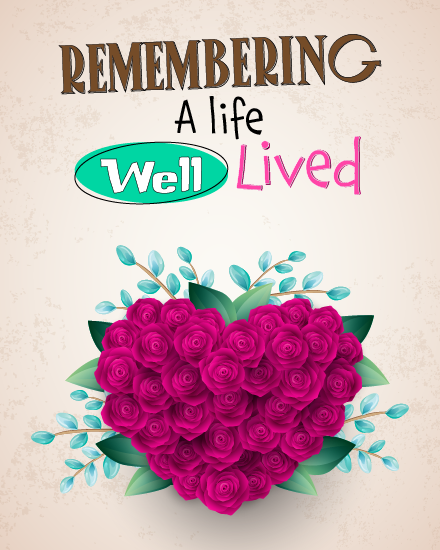
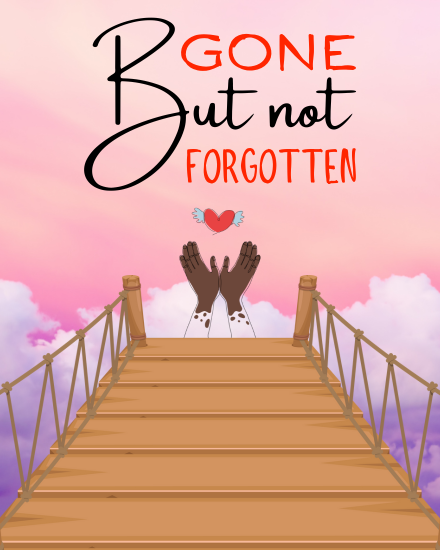
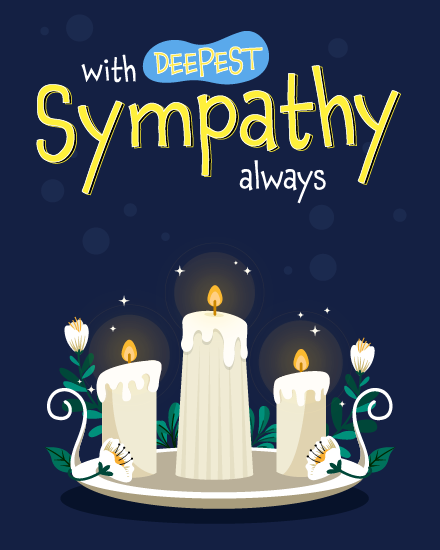
Not every goodbye carries the same tone, and the card should match the life. Classic "in loving memory" designs — candles, doves, soft florals — suit a traditional funeral or a formal remembrance. A celebration of life card leans brighter: photos, laughter, favorite-story tributes for someone who would have wanted smiles at their send-off. And for a death anniversary or a quiet moment of remembering, an understated remembrance ecard says simply: they are not forgotten. Whatever the tone, if what you need instead is a card of comfort for the grieving family, our sympathy cards are made for that.
There is no deadline on remembrance. Many people send a memorial card in the first weeks after the funeral, when the crowds have gone home and the silence sets in — often when support is needed most. Others send one on the anniversary of a passing, on the loved one's birthday, or around holidays when their absence is felt sharply. A remembrance card months or even years later doesn't reopen a wound; it tells the family that their person is still remembered by others too.
Write about the life, not the loss. One true, specific memory outweighs a page of formal condolences:
If the words won't come, our guide to sympathy messages for the loss of a loved one can help you begin. And for an ongoing tribute the family can keep adding to — photos, videos, memories collected over time — a Wish Board works beautifully alongside the card.
At minimum: the person's full name, their birth and passing dates, a photo, and a short verse, quote, or personal line. On a group memorial card, signers then add their own messages and photos around these essentials — there's no need to write a full biography; one meaningful line per person is enough.
A sympathy card is addressed to the grieving family — its message is "I'm sorry for your loss." A memorial card is about the person who passed — a shared tribute of memories and photos honoring their life. Families often receive both, and many groups send a memorial card a few weeks after the sympathy cards, when quieter support means the most.
Yes. The card plays as a slideshow with background music, so the collected messages and photos can be displayed during a service or celebration of life — letting people who couldn't attend still be part of the tribute. Afterward, it stays available online for a year, and premium cards can be downloaded as a PDF keepsake.
No — remembrance has no expiry. Cards sent after the initial wave of condolences often mean more, because they arrive when everyone else has moved on. Death anniversaries, birthdays, and holidays are all natural moments to send one.
Not at all. Choose a faith-based design with prayers and verses if that reflects the person, or a secular tribute built on nature imagery, photographs, and personal memories. The right card mirrors the life it honors, not a fixed tradition.